

Iconic Food of Mexico City
07 Sep 20264 minutes read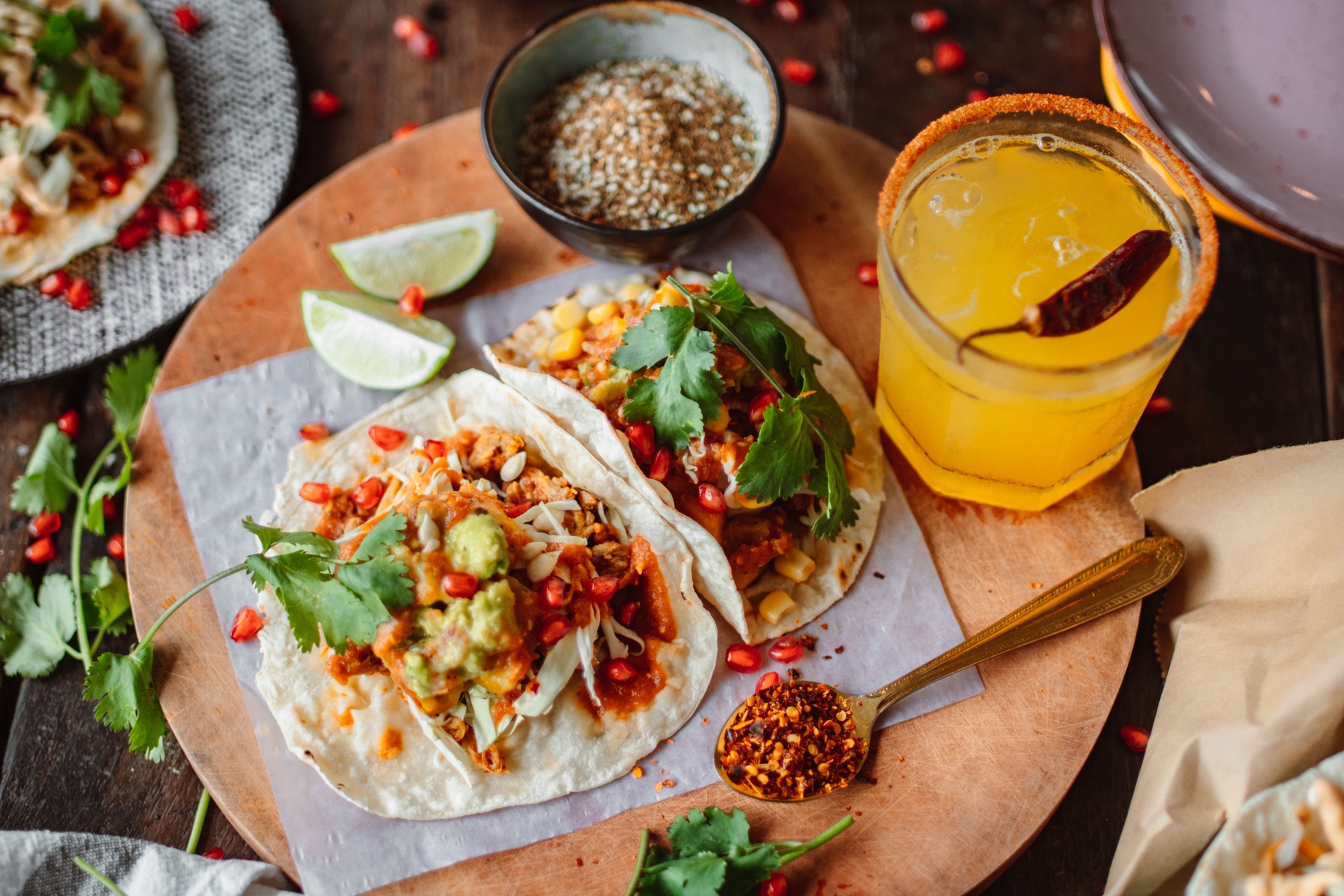
1. Chilaquiles
They'll become your new favorite breakfast. Chilaquiles are crispy tortilla strips bathed in delicious red or green sauce (red ones usually have less heat or no heat at all) accompanied by sour cream, cheese, and onion. You can order them plain or add steak, fried egg, shredded chicken, cecina, arrachera, chorizo, or practically anything you want.
There's no better way to start your day!
2. Tamales
If you haven't tried chilaquiles for breakfast, tamales will definitely be your option. Tamales are made with corn dough wrapped in banana or corn leaves and filled with meat, vegetables, chiles, and other ingredients. You can find them in the morning on practically every corner. The most common flavors are sweet with raisins, mole with chicken, green sauce with chicken, and rajas with cheese, though there are also exotic flavors like pork in green sauce with purslane (delicious). We suggest asking the tamale vendor which ones they have and choose the one that appeals to you most. Careful! the leaf that wraps the tamales is NOT eaten.
Pair your tamale with a delicious and warm atole—don't forget it. Atole is a pre-Hispanic beverage made from corn and water consumed in Mexico, Guatemala, and other Central American countries. The most common flavors are chocolate, vanilla, strawberry, rice with milk, and champurrado.
Now then, enjoy your meal!
3. Pozole
In Mexico City you'll be able to try a delicious pozole for lunch. This is a red, white, or green broth with corn kernels to which chicken, pork, or vegetarian ingredients are mainly added and it's accompanied by lettuce, radish, onion, avocado, oregano, lime, and pork cracklings. It's a pre-Hispanic dish with many varieties depending on which part of Mexico you're in.
When you have your pozole ready, we suggest you prepare a tostada with cream and maybe a few drops of sauce (careful! this sauce does have heat). The technique is: bite into your tostada and then a spoonful of pozole.
Give it a try!
4. Elotes
A must-try. An elote is an ear of corn. These are boiled in salted water with epazote or grilled over charcoal. Mayonnaise, lime, grated cheese, and chile powder (you can choose the spicy or mild version) are added, and a pointed stick is inserted so you can eat it like a popsicle—don't lick it, bite off the corn kernels. This dish is perfect for a walk around Mexico City.
5. Quesadillas
Quesadillas are one of the most popular foods in Mexico City. You can eat them for breakfast, lunch, and/or dinner. These are corn or wheat tortillas filled with cheese and another ingredient such as cactus, chorizo, ham, squash blossom, pork cracklings, or whatever you want. You absolutely must try this dish.
What's the difference from a taco? We think it's the presentation, but when you try them you'll realize they taste and feel very different.
6. Chiles Rellenos
Chiles rellenos are one of the most complete foods we have. They're rich in vitamin C and other nutrients, while the filling made of cheese and beans provides proteins, fats, and vitamins. Accompanied with tortillas and/or rice, they become a complete meal. Eating a chile relleno is a "double-edged sword"—it might be spicy or it might not be spicy at all, but we're sure you'll love them.
7. Gorditas
Gorditas are one of the favorite typical foods in Mexico City (and for us too), these are fried corn dough in a round shape filled mainly with pressed pork cracklings or requesón.
This dish is generally accompanied by lettuce, sour cream, cheese, and sauce and you can find them easily at food stalls.
8. Basket Tacos
A picturesque image of Mexico City is the vendors who carry these tacos in a wicker basket on the back of a bicycle.
Their traditional fillings are pressed pork cracklings, potato, beans, adobo meat, and green mole. In the buckets hanging from the bicycle they carry a delicious preparation of pickled jalapeños and a delicious and spicy sauce so you can prepare them to your liking. Once you start eating them you won't be able to stop, you'll never get full.
For our luck, you can find several vendors inside Ciudad Universitaria, inspected and tasted by us. Highly recommended.
Related Publications




Find More Places to Stay in CDMX
Polanco
(60)
Condesa
(60)
Santa Fe
(60)
Zona Reforma
(60)
Roma
(60)
Juarez
(60)
1
2
3
© 2026 — KUKUN



© 2026 — KUKUN