

All Roads Lead to Polanco: Explore Its Streets and Discover Them
07 Sep 2026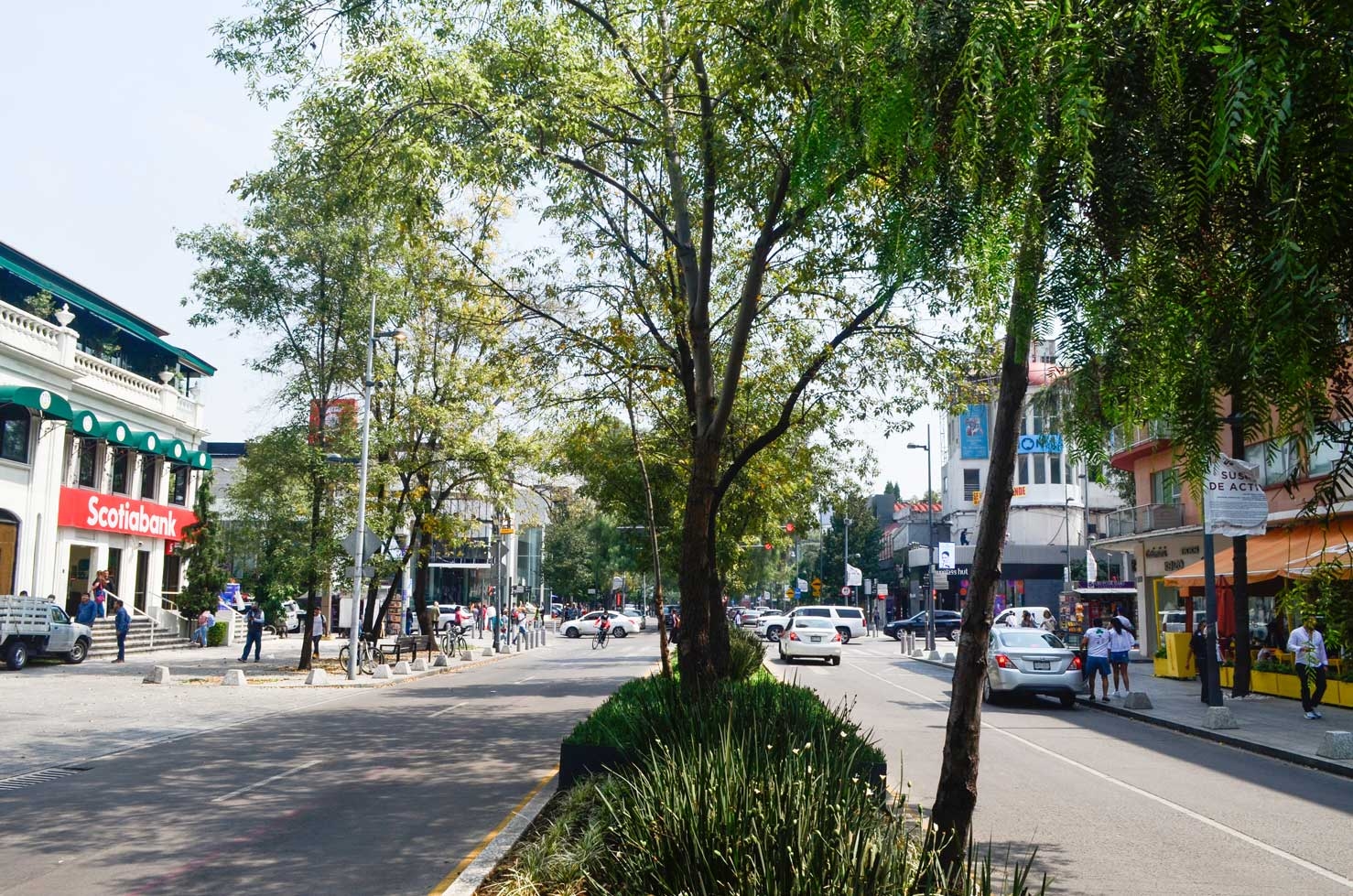
Presidente Masaryk
This street has become one of the most representative in Polanco in recent years. Its name was chosen in 1936 during the government of Lázaro Cárdenas in honor of the first president of the newly founded Republic of Czechoslovakia: Tomáš Masaryk. It was precisely in the 1930s when the arrival of Poles, Jews, and Lebanese to this area of Polanco increased.
Today it is an avenue full of glamour and style, as it concentrates restaurants with different styles and a wide variety of foods, not only national but international such as Garum, which specializes in Mediterranean cuisine, or Pubbelly, a restaurant that fuses Japanese food with Latin ingredients. If you want to know more about where to eat in Polanco you can see 4 must-try restaurants if you're in Polanco
In addition, clothing stores, fashion, and various accessories are concentrated on this street. Brands like Tane, Montblanc, and Louis Vuitton are located on this avenue. It's no wonder it has been considered one of the most exclusive streets in the country.
Emilio Castelar
Next to Lincoln Park you'll find Emilio Castelar. On this avenue are five-star restaurants, not only for their wide variety of food and beverages, but also for their style and service. Among the most representative restaurants is La Mallorquina, a restaurant specializing in Spanish cuisine, or Emilio, a restaurant specializing in international food.
But this street has charm not only during the day—it has a nightlife that dazzles more than one visitor. There's Cervecería Polanquito, which is the premium and sophisticated version of the classic Cervecería del Barrio, and just a few steps away on Pedro Calderón de la Barca street you'll find the restaurant bar Gin Gin, which specializes in modern mixology. So if you want a refreshing drink, these are your best options.
But if dining isn't your thing and you prefer to appreciate architecture, this street is home to one of Polanco's oldest manor houses. At number 131 on Emilio Castelar stands a residence from the 1940s that still maintains its neocolonial style.
Horacio
This street is ideal for a long walk, among trees, cafés, galleries, and facades that still preserve the Art Deco style. It has become one of Polanco's main thoroughfares and is the perfect point to see the entire surroundings of this neighborhood.
Previously this street was called Avenida Cedros, because giant cedars were planted there, which characterized the neighborhood. Over the years they disappeared, but the street still maintains its essence with the abundant vegetation in its median.
Horacio runs through almost all of Polanco, so if you want to walk it you'll get to know much of the essence of both sections of this neighborhood. You can do it on foot, by bike, alone, accompanied, or however you prefer—you'll enjoy it just the same!
Ferrocarril de Cuernavaca
It's surprising how there are vestiges of history that refuse to disappear, among them railroads and their tracks. These rails date back to the end of the 20th century and cross much of Polanco, currently passing through the Granda neighborhood and in front of the Soumaya Museum.
Surrounded by buildings, apartments, and spaces equipped for exercise is how these tracks look today. So it's a great starting point to explore the city and follow the path that the train once traveled.
Walking on these tracks feels magical, as you not only admire your surroundings, but it's also a journey through time and represents the balance between a Polanco that ceased to be and a Polanco that emerges from modernity.
Edgar Allan Poe
This street currently connects Masaryk and Horacio, serving as a link to transit through Polanco and go from one place to another. It is surrounded by cafés, restaurants, some institutes, and apartments.
Today it is one of the most modern streets in this area, but in the late 1950s it was the setting for the film Down the Street Arm in Arm starring Manolo Fábregas and Marga López, both Mexican actors, who through various scenes show us this street with some of the buildings from that era, as well as the cars and glimpses of Lincoln Park. So if you want to walk a street that made it to Mexican cinema, you have to stroll through here.
These are just some of the streets you can explore and admire for yourself, but Polanco is full of roundabouts, intersections, and medians, each with its own story. So this is just the beginning of your adventure to walk these avenues and create your own history.
Related Publications

Find More Places to Stay in CDMX
Polanco
(60)
Condesa
(60)
Santa Fe
(60)
Zona Reforma
(60)
Roma
(60)
Juarez
(60)
1
2
3
© 2026 — KUKUN



© 2026 — KUKUN