

What to do in Mexico City: 5 must do experiences to truly live the city
07 Sep 20264 minutes read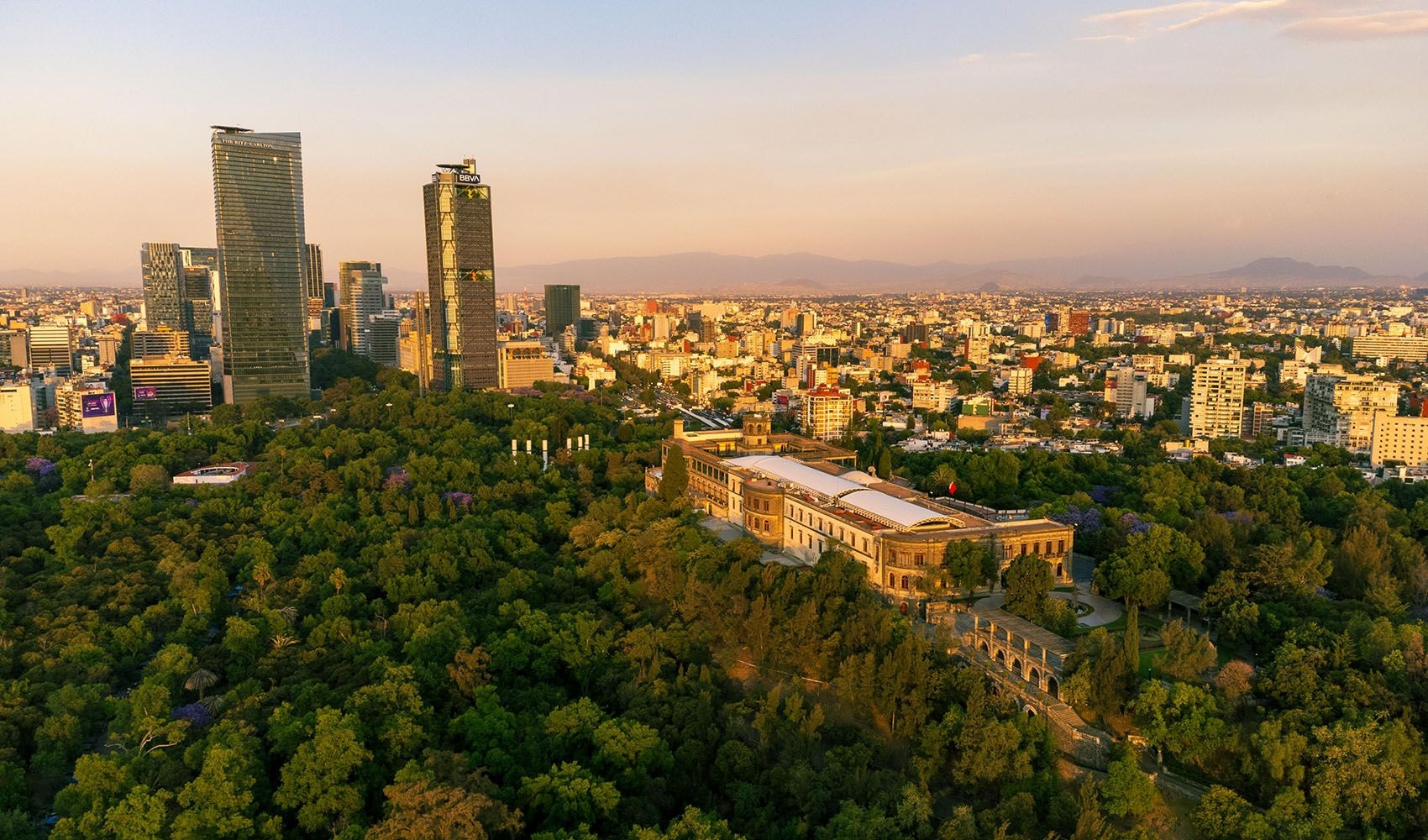 Chapultepec Castle. / Pexels
Planning what to do in Mexico City sounds easy, until you actually try to build your itinerary. There is simply too much to choose from.
Museums, parks, markets, neighborhoods that feel like entirely different worlds. The challenge is not finding things to do, it is knowing where to start without turning your experience into something fragmented.
Because this city is not meant to be checked off a list. It moves with its own rhythm. And once you follow it, everything starts to make sense.
This guide is your way in.
Start your day in Chapultepec, but take your time
If there is one place that answers what to do in Mexico City from the very beginning of your day, it is Chapultepec. But not as a quick stop, as your entry point into the city.
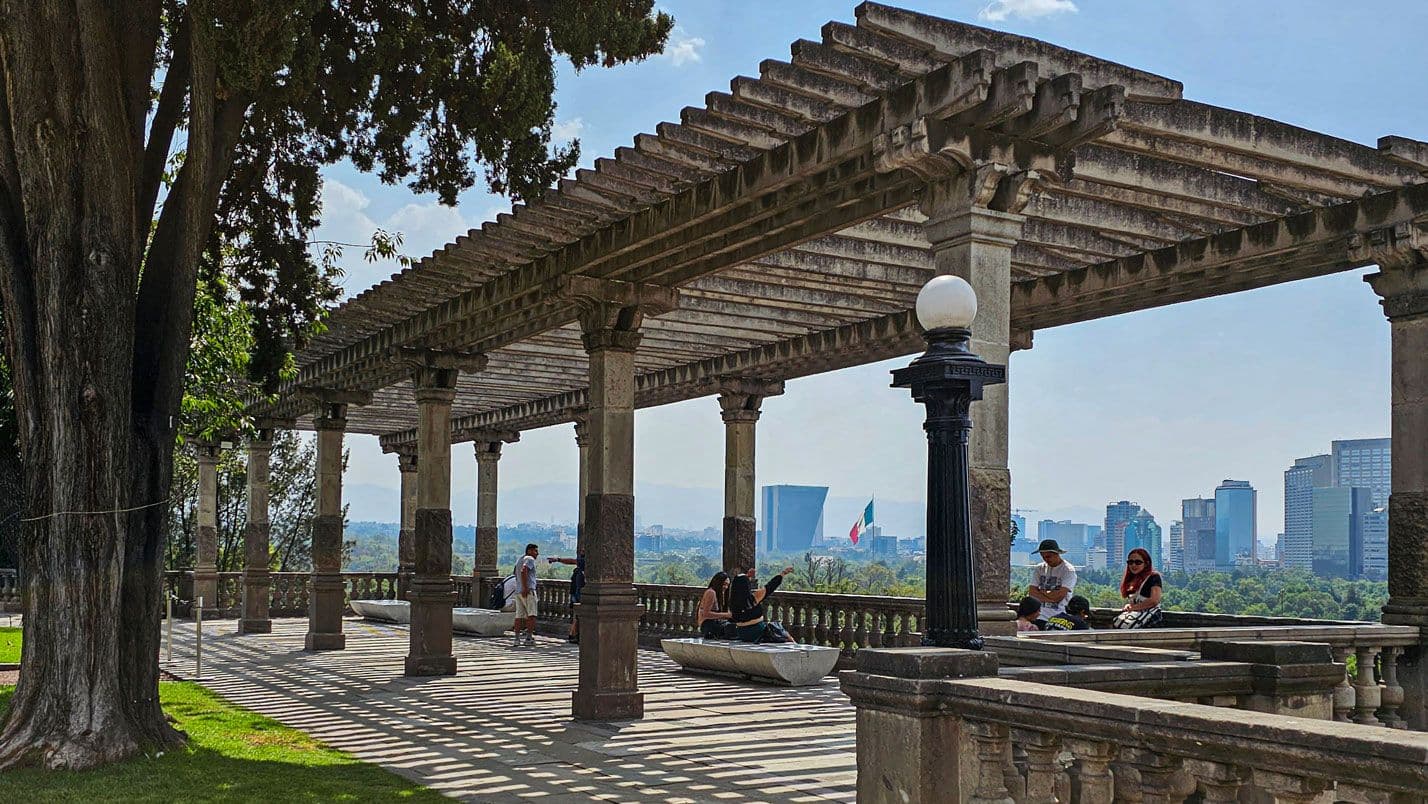
There is no single way to experience it. You can walk aimlessly under the trees, visit Chapultepec Castle, take a boat ride, or simply sit on the grass and watch the city come to life around you.
Nature, history, locals, families, and travelers all come together here.
And then there are the details that elevate the experience, like seeing the giant panda at the zoo, something you will not find in many other places, or moving from one section to another and feeling the shift in atmosphere without ever leaving the park.
It is not a place you just visit, it is a place you settle into, even if only for a few hours.
Feel the city in Roma and Condesa
After Chapultepec, the experience shifts. It is no longer about seeing something big, it is about stepping into the rhythm of the city. That happens in neighborhoods like Roma and Condesa, where everything invites you to walk and discover.
Here, plans are not fixed. You start with a coffee, walk through Parque México, and end up somewhere you did not plan. Cafés fill with people working, reading, or simply easing into the day. Streets blend historic architecture with contemporary spaces, making movement part of the experience itself.
These neighborhoods show a different way of exploring the city, and offer the perfect pause before deciding where to eat.
Eat the way the city eats
At some point, the city makes you decide what to eat. And this is where many guides fall short. It is not just about recommending restaurants, it is about understanding how people actually eat here.
That might take you to a market like San Juan, where food becomes exploration, or to a taquería in the Historic Center, where everything moves fast and you adapt to the pace.
The experience changes depending on where you go, but one thing stays the same: food is not an isolated moment. It is part of the city’s flow.
Eating here means making quick decisions, trying new things, and embracing the fact that not everything is designed for visitors. And that is exactly what makes it special.
Explore the Historic Center without trying to do it all
The Historic Center is impossible to ignore. But trying to cover it like a checklist can make the experience feel incomplete. What matters here is not ticking off landmarks, but letting the experience unfold. Walk, stop when something catches your attention, follow whatever draws you in.
Yes, places like Templo Mayor and the Metropolitan Cathedral matter, but they are only part of the story.
There are also lesser known spaces like the José Luis Cuevas Museum, where contemporary art meets unexpected experiences like free concerts. Add to that the countless small shops selling everything from practical to curious items, and you begin to see the area for what it really is, chaotic, vibrant, and unforgettable.
End the day by slowing down
When night falls, the question comes back: what now. And this is where many itineraries go wrong, trying to do more, see more, move more. But after a full day in the city, sometimes what you need is the opposite.
You can go out for dinner, walk a little more, or stay in a lively area. Or you can do something simpler, go back.
Back to a space where you can slow down, process the day, and choose how you want to end it. In a city like this, that is also part of the experience.
Experience Mexico City from the right place
And this is where something as simple as where you stay changes everything.
Moving through the city from just any location is not the same as staying somewhere already connected to its rhythm.
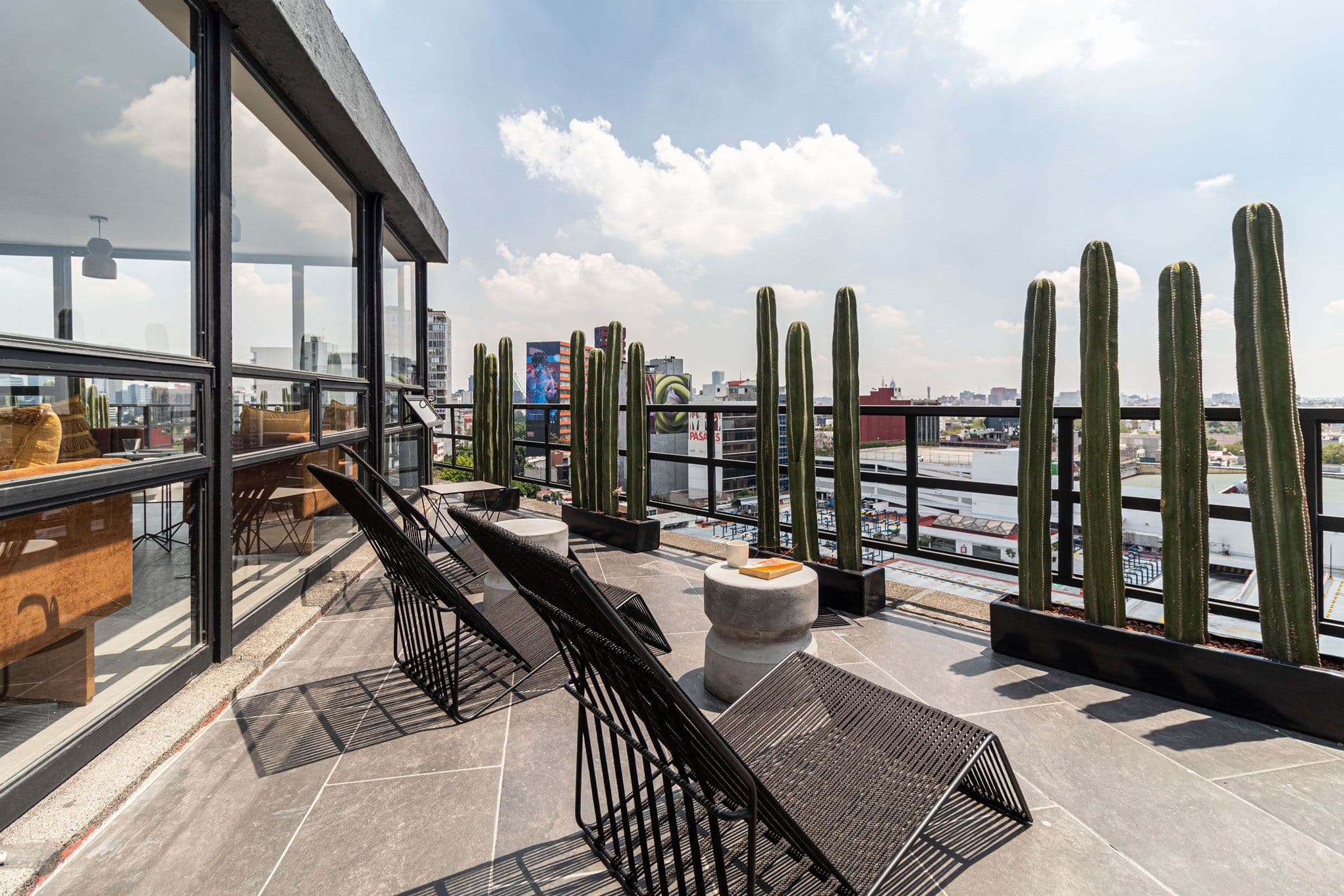
Staying in neighborhoods like Roma, Juárez, Condesa, or near Reforma means shorter distances, smoother plans, and the freedom to return whenever you need without breaking the flow of your day.
With Kukun, you can stay in fully equipped apartments in these key areas, designed so your stay is not just a place to sleep, but part of the experience itself.
Because in Mexico City, knowing what to do matters, but knowing where to start matters even more.
Related Publications

Find More Places to Stay in CDMX
Polanco
(60)
Condesa
(60)
Santa Fe
(60)
Zona Reforma
(60)
Roma
(60)
Juarez
(60)
1
2
3
© 2026 — KUKUN



© 2026 — KUKUN