

Why visit La Condesa?
03 Sep 20268 minutes read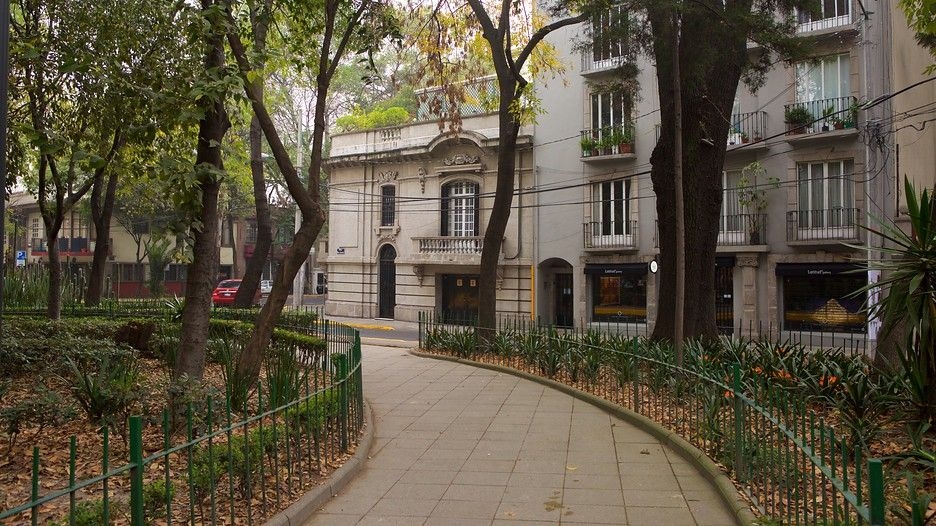 Archivo Google Images
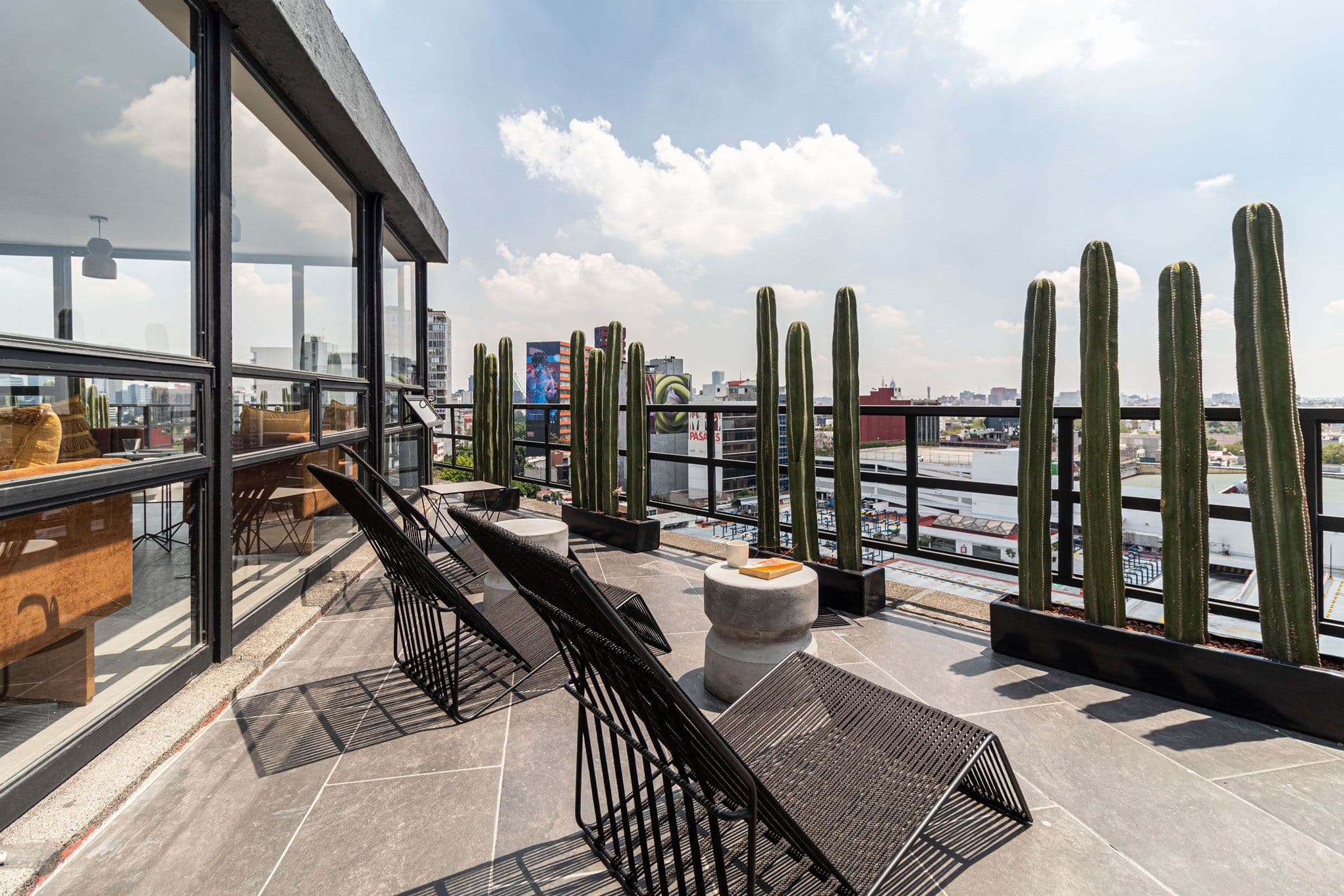
The Condesa neighborhood in Mexico City is one of the most distinguished in the capital. It's a place with unique architecture, trees everywhere, nightlife, beautiful streets, and even two of the city's most emblematic parks: Parque México and Parque España.
It's located in the Cuauhtémoc borough, and few people know the origin of its name. It's called Condesa because the area the neighborhood now occupies was once part of the many properties of a wealthy noblewoman, the Countess of Miravalle — a faceless figure, since to this day not a single portrait of her has been found.
The Countess of Miravalle lived in Mexico City in the 18th century. Her full name was María Magdalena Catarina Dávalos de Bracamonte y Orozco, Third Countess of Miravalle, and she was born in Mexico City on the night of June 2, 1701. She was a descendant of counts who came from Spain during the Viceroyalty. She owned around 70 haciendas in the state of Michoacán, as well as a mine in Nayarit and several other properties in different states of the Republic.
This neighborhood began as the Hacienda de Santa María del Arenal, until 1704, when it was acquired by the Countess's family. In the nation's capital she inherited the Hacienda de Tacubaya, which included what are now the neighborhoods of Hipódromo Condesa, Tacubaya, and Roma. In 1721, María Magdalena married Pedro Antonio de Trebuesto y Alvarado, with whom she had nine children and by whom she was widowed ten years later. The Countess of Miravalle died in 1777, apparently poisoned by a friar who was her lover.
The name Hipódromo comes from the fact that a large part of the hacienda housed the headquarters of the Jockey Club de México, along with a racetrack that operated until 1920. In 1907, the El Toreo de la Condesa bullring was inaugurated; it operated until 1946, and part of its structure was used to build what became the Toreo de Cuatro Caminos.
La Condesa wasn't officially founded until 1927, when the land was subdivided for housing and boulevards, sidewalks, traffic circles, and fountains were built, along with two parks: Parque España and Parque México, originally named General San Martín.
The construction of all these works was carried out by wealthy investment companies such as La Condesa S.A. and Terrenos de la Calzada de Chapultepec S.A. According to information on the borough's official website, one of the first developments in the area was the Edificios Condesa, built for the employees of the El Águila Oil Company.
A haven for Mexico City's upper middle class
The same site notes that this area has always been a haven for Mexico City's upper middle class, and that it has been home to part of the Jewish and foreign community. Hence its neoclassical, eclectic, and art deco architecture, which have turned the area into a hub of artistic and intellectual activity.
Famous figures such as Salvador Elizondo, Juan Soriano, María Conesa, Agustín Lara, "Cantinflas," Juan José Arreola, and Francisco Gabilondo Soler, among others, have lived on the streets of Colonia Condesa. Its historical importance is such that 250 buildings in the area have been registered as artistic or historical monuments of Mexico City.
What to do
Among its many attractions is the Mercado Michoacán, where you can find traditional food from all over Mexico, plus countless restaurants, bookstores, cafés, art galleries, museums, boutiques, cultural centers, bars, and generous green spaces — all of which make Colonia Condesa an epicenter of nightlife.
Related Publications

Find More Places to Stay in CDMX
Polanco
(60)
Condesa
(60)
Santa Fe
(60)
Zona Reforma
(60)
Roma
(60)
Juarez
(60)
1
2
3
© 2026 — KUKUN



© 2026 — KUKUN